
Deep vertical integrity with compounding flight heritage. Every subsystem, every line of flight code, every AIT process developed and built in unison under one roof to the requirements of comprehensive satellite constellation production & operations.
Our Technologies
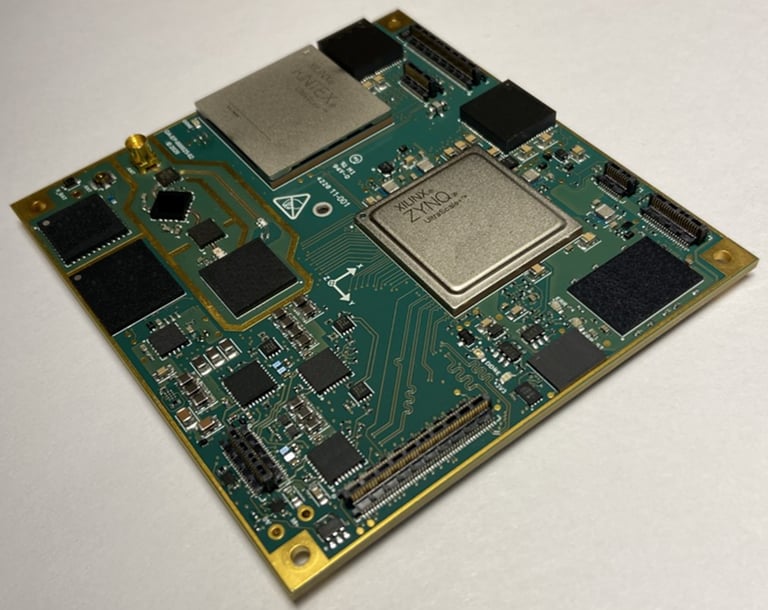
Ultra-Robust & Long-Life System Architecture
Reliability is built into the baseline architecture. Core platform systems include dual redundancy across EPS, S-band TT&C, magnetorquers, and ADCS sensors, with upgrade paths to full dual redundancy across all major systems except Ka-band.
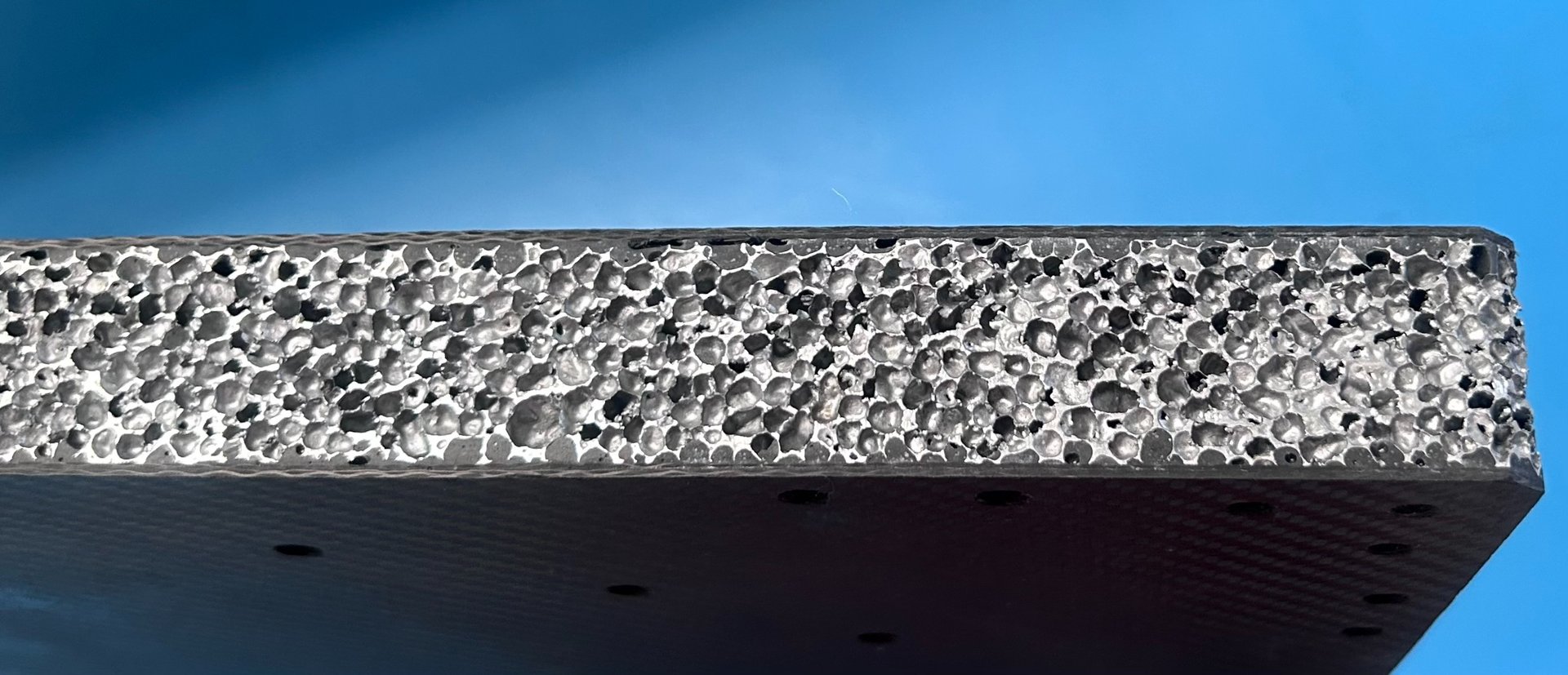
For ESPA-class platforms, enhanced CFRP-titanium-alloy shear panels materially improve resilience against debris-driven failures, extending shielding from typical ~0.1mm particles to approximately 1mm particles at 10km/s. That matters because debris impacts account for a significant fraction of early mission failures, and a 1mm particle carries roughly 1,000× the impact energy of a 0.1mm particle at the same velocity.
OrbAstro battery systems use a thermal-gradient-tolerant chemistry that does not require heaters in typical orbital conditions, tolerates full discharge without lifetime penalty, supports more than 30,000 near-full discharge cycles (90% DoD at 1C), and is designed to remain operational even after puncture. This removes the need for the launch kill-switch often required by more fragile chemistries, avoiding a common single-point failure. That matters because many space batteries have to be managed very carefully in orbit or they become one of the first things to end the mission. Ours are designed to be far less temperamental.
Across the platform, EDAC-protected memory and hardware/software SEU mitigation, including clock and current monitoring, support long-duration operation in demanding orbital environments.
High-Powered & Flexible Payload Hosting
OrbAstro platforms are designed for demanding payloads, with peak payload power handling of up to 2kW on nanosatellites and 8kW on ESPA-class satellites.
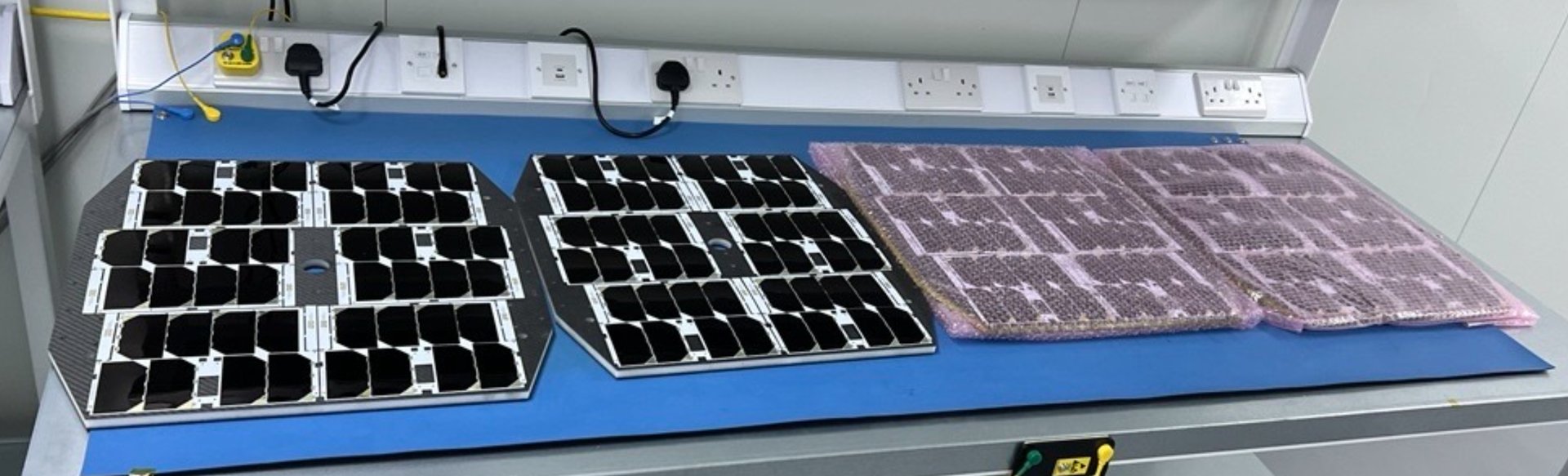
Deployable solar-wing options provide generation capacity up to 168W for nanosatellites and 3.7kW for ESPA-class platforms, supported by battery storage up to 576Wh and 1.8kWh respectively.
Standard payload interfaces include 4× RS422, 4× CAN, 4× I²C, 8× LVDS at 1.2Gbps per lane, and 4× high-speed transceivers at up to 32Gbps per lane, enabling integration of complex sensors, processors, communications payloads, and mission-specific hardware.
High-Throughput Data Architecture
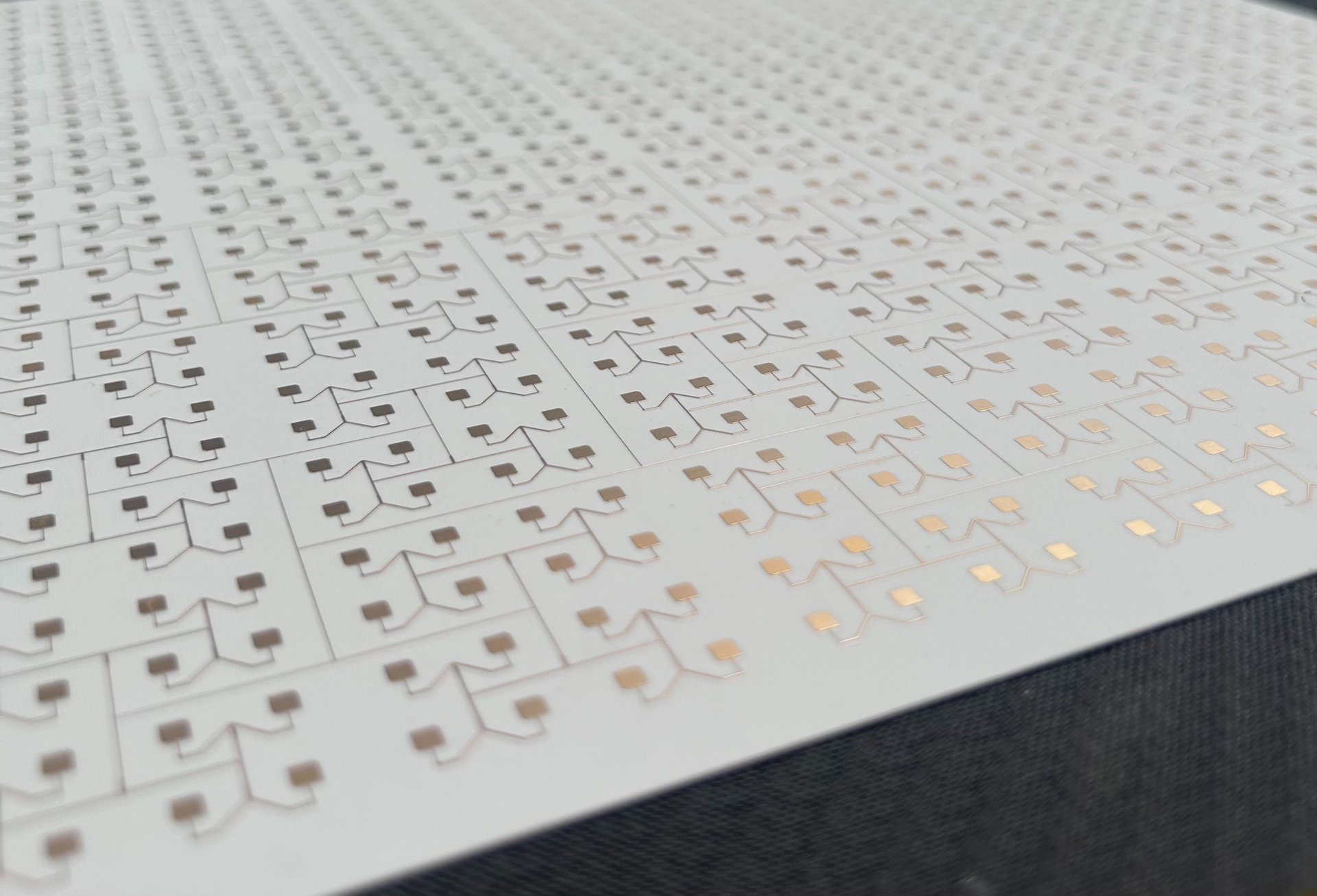
OrbAstro platforms are built for data-heavy missions. Baseline flight computers use Zynq Ultrascale+ MPSoC architecture with 4GB LPDDR4 RAM, supported by high-speed payload interfaces including 8× LVDS lanes at 1.2Gbps per lane and 4× transceivers at up to 32Gbps per lane.
Dedicated payload computers are available with Xilinx Ultrascale+ MPSoC 15EG-class processing, 8GB LPDDR, and 8TB onboard storage for edge processing and high-volume payload operations.
Ka-band SDRs, high-gain antennas, and OrbAstro’s ground-station network enable downlink rates up to 2Gbps for nanosatellites and 4Gbps for ESPA-class satellites, with onboard NVMe storage expandable to 16TB.
Fine Pointing, Fast Slewing & High-Delta-V Control
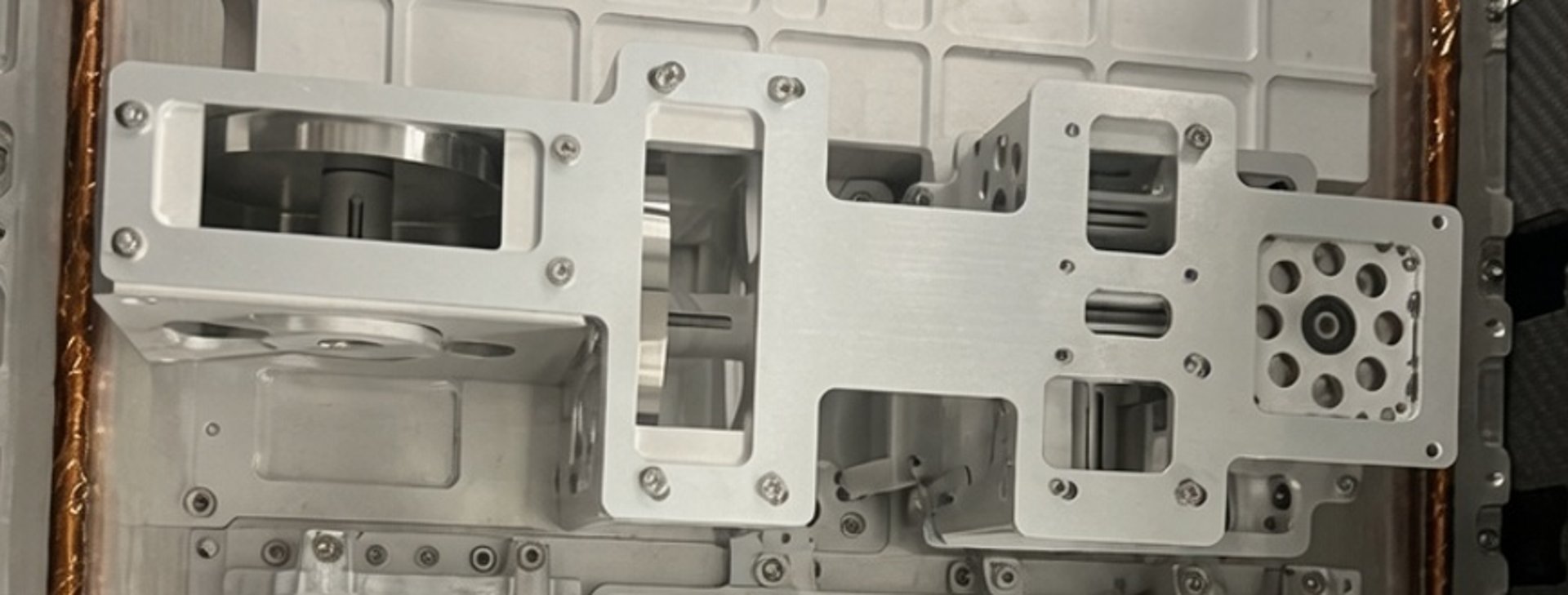
OrbAstro platforms combine 3-axis optical gyros, star trackers, dual-redundant magnetorquers, and reaction wheels to deliver precise, agile attitude control. ESPA-class platforms include dual-redundant reaction wheels as standard.
Baseline pointing performance is 0.1° accuracy and <0.01° knowledge, 3σ, upgradeable to 0.01° and <0.001° respectively for more demanding missions.
High-torque reaction wheels provide slew rates above 5°/s across the platform range, supporting agile target acquisition, tracking, and revisit profiles.
Electric propulsion using water-based propellant is included as standard, typically delivering 500m/s delta-V for nanosatellites and 1km/s for ESPA-class satellites, enabling orbit phasing, altitude control, collision avoidance, and end-of-life disposal.

AI Operations Engine
OrbAstro’s Abel AI engine provides the intelligence layer behind satellite health monitoring, RF optimisation, anomaly detection, and constellation-scale decision support.
Abel analyses live telemetry, RF link performance, subsystem trends, operational history, and ground-station data to identify emerging risks before they become mission-impacting. It supports fault prediction, early-warning alerts, automated trend analysis, contact prioritisation, and RF link-management decisions across individual satellites and wider constellations.
Integrated with OrbAstro’s Mission Control System and supported by its 97 petaFLOP processing cluster, Abel helps operators move from reactive monitoring to predictive fleet management. As constellations scale, Abel provides the software intelligence required to maintain situational awareness, prioritise operational decisions, and manage increasingly complex satellite networks with a lean operations team.
HQ ADDRESS
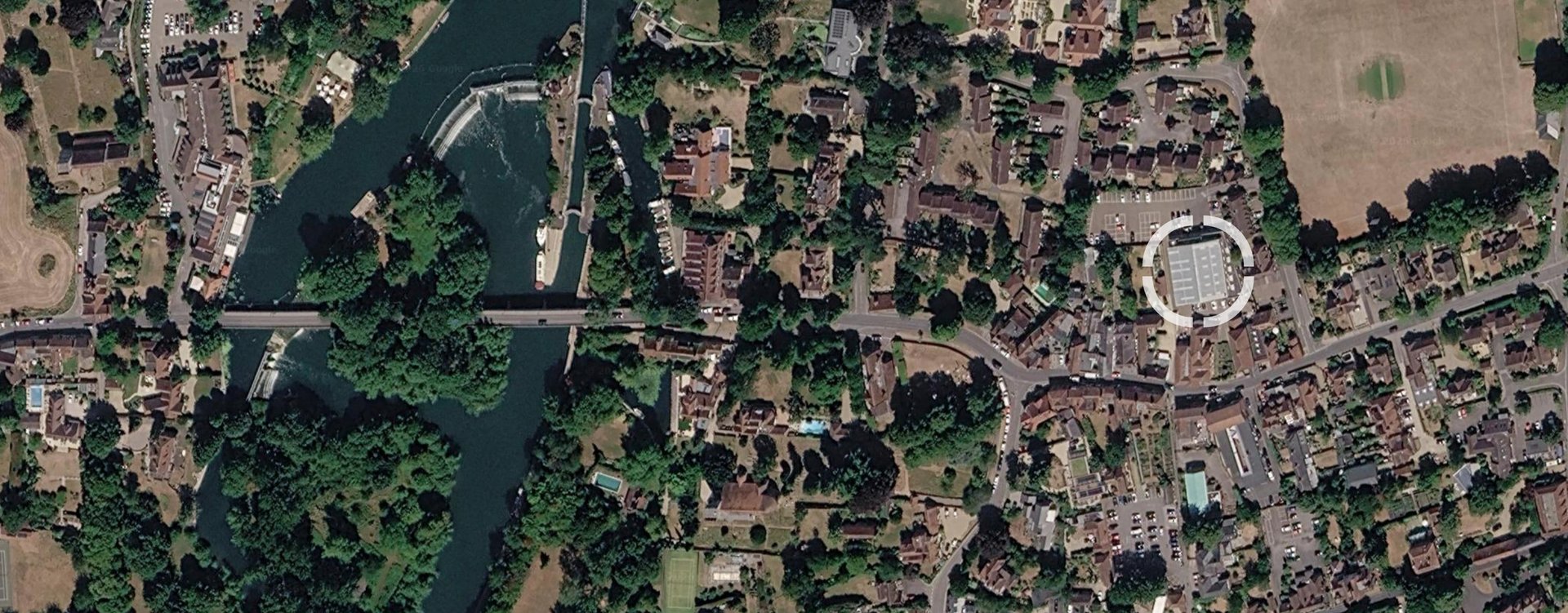
Thames Court, Goring, Oxfordshire, RG8 9AQ, United Kingdom
CONTACT US
hello@orbastro.com