
Customer Journey with OrbAstro
Contract Signature
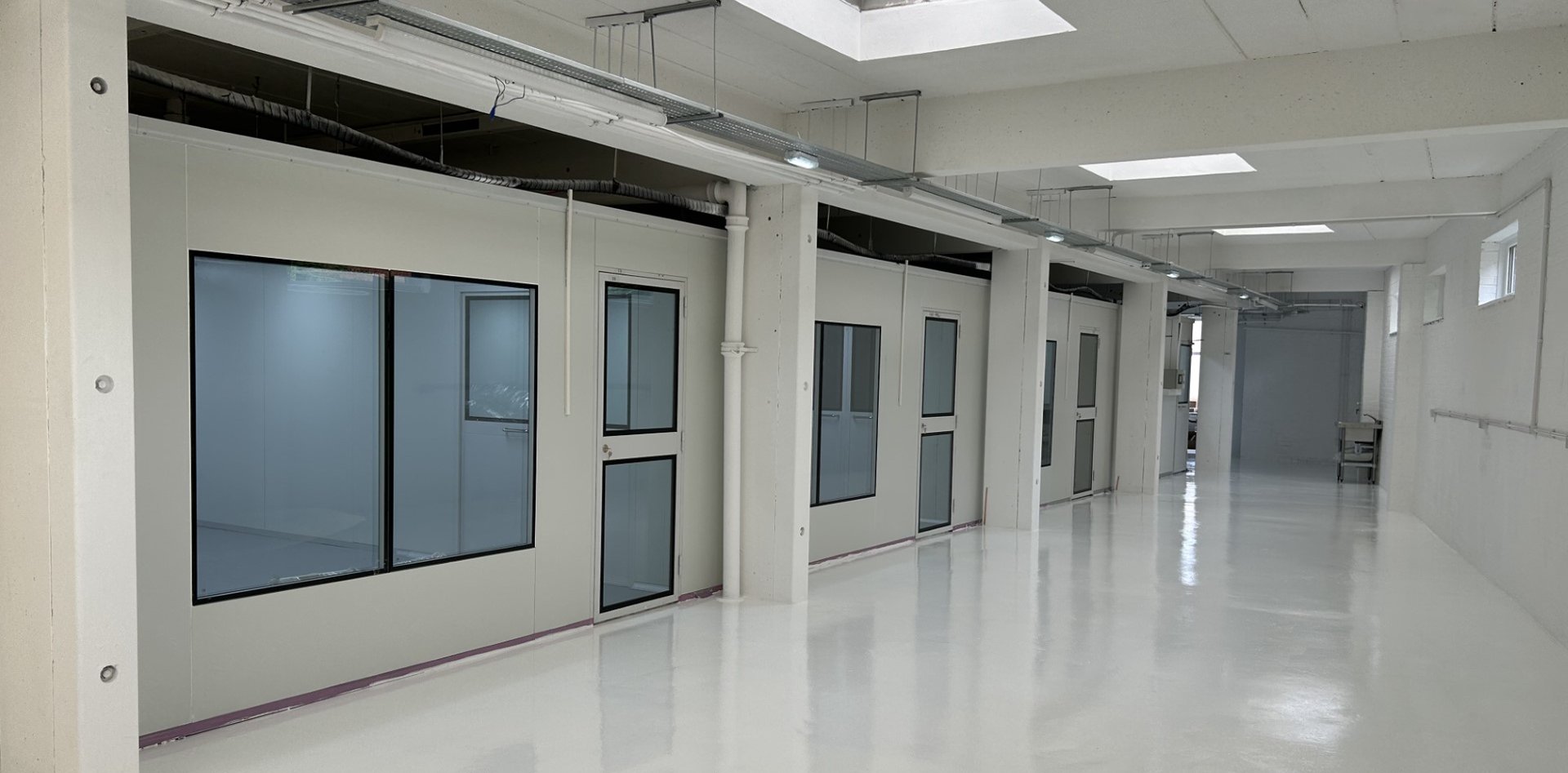
Following an initial discussion around the context of your business, regarding what you want to achieve and your roadmap, what you want to handle yourself on the space-side and what you want to hand off to us, we will help you pull together a draft configuration of Satellite and Mission Operations package, and an associated contract will be signed. This contract will map out the journey between kick-off of contract and completion of the Satellite mission¹; we will agree on what will happen and when, and how much each step will cost. Such upfront transparency is rare in this industry.
Drafting the Satellite configuration and Mission Operations package centres around the payload size, power required, pointing accuracy needed, and data throughput expected. Some details may still be TBC at kick-off and that is fine; the contract can be amended accordingly when those decisions are made².
Immediately following contract signature and Kick-Off payment, a Kick-Off meeting will be held. Here we will do wider team introductions, we will walk your team through the journey with us to Mission Operations, and we will discuss in further detail the payload, mission, and Satellite Platform configuration.
¹ Customers will typically sign-off on a pilot or reduced-scale mission initially; to gain flight heritage for their payload and/or to prove out the business case associated with a Minimum Viable Product or Service offering before ordering batches of satellites to build out their constellation. They will also typically place deposits for the first batch of follow-on satellites, to fix the associated price-points and build slots, which provides their investors with confidence and security on the cost and lead-time associated with their next steps.
² For example, at kick-off you may not know if you’ll need one or two solar wings for your planned mission, and in the contract, you state that one is required. A few months following kick-off, as the payload has matured, after you’ve carried out some day-in-the-life simulations through our Mission Control System and refined your operations plans, you realise that it would be more appropriate to have two solar wings rather than one. This change is implemented as we finalise configuration of the satellite, and is noted during the Critical Design Review, after which the contract is amended and accounted for without penalty.
Flat-Sat Development & Testing
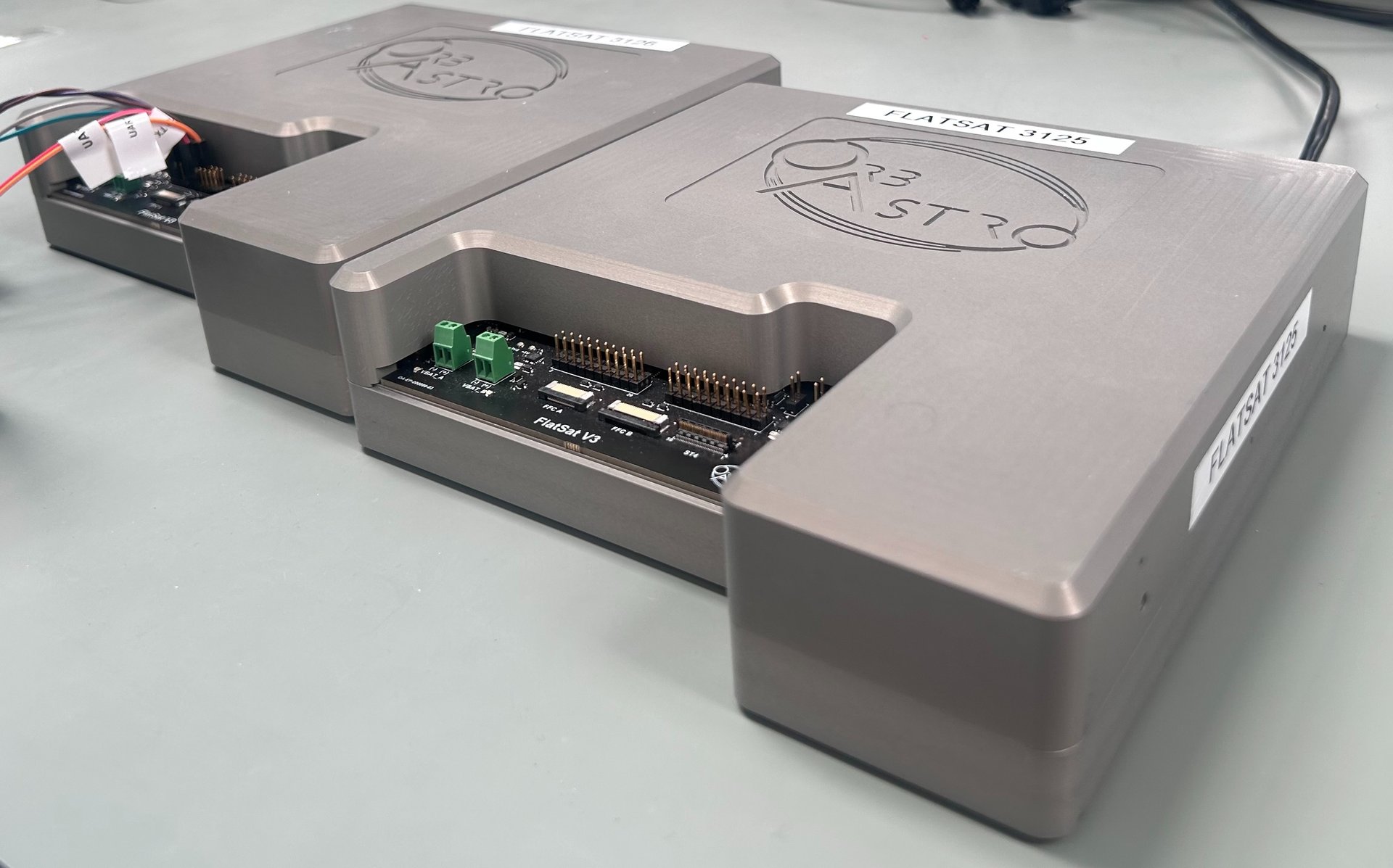
Following contract signatures, we will ship out a Flat-Sat and associated User Manuals to you. The Flat-Sat is the software and electronics equivalent of the Satellite Platform flight unit; except you can develop, test, and debug your code from the convenience of your own office/lab rather than in our cleanrooms. If your payload software and electrical interfacing work with the Flat-Sat, it should work with the real thing. This minimises the risk of delays during payload integration to the flight unit.
Beyond verifying the functionality of your payload through the Flat-Sat, you will also use it (alongside our Mission Control System), to simulate and rehearse day-to-day mission operations. This includes tasking the satellite to perform representative activities such as pointing at specific targets, executing Sun-pointing manoeuvres for battery charging, uplink of commands, and downlink of payload data¹.
Through this process, you will gain practical experience in planning and executing your mission profile in a realistic, end-to-end context, while also validating key aspects of your mission configuration. For example, such testing may guide adjustments to the Satellite configuration to better meet your operational demands, well ahead of integration with the flight unit.
¹ For example, if you have a camera payload and you want to image a given set of GPS coordinates when within a set range, you will write software associated with commanding both the satellite and payload to do so. Note, you won’t need to command the satellite’s subsystems (e.g. commanding the satellite’s reaction wheels to spin in a certain sequence), that would all be done automatically through our software. But you would need to tell the satellite that you need it to point and track a given set of coordinates as it passes over within a predefined slant/range. The User Manuals provided give much guidance on how to do such things, with many worked examples, but sometimes there are edge cases not covered, and one of our Mission Operations Engineers will be assigned and available to support.
Satellite Payload & Platform Configuration
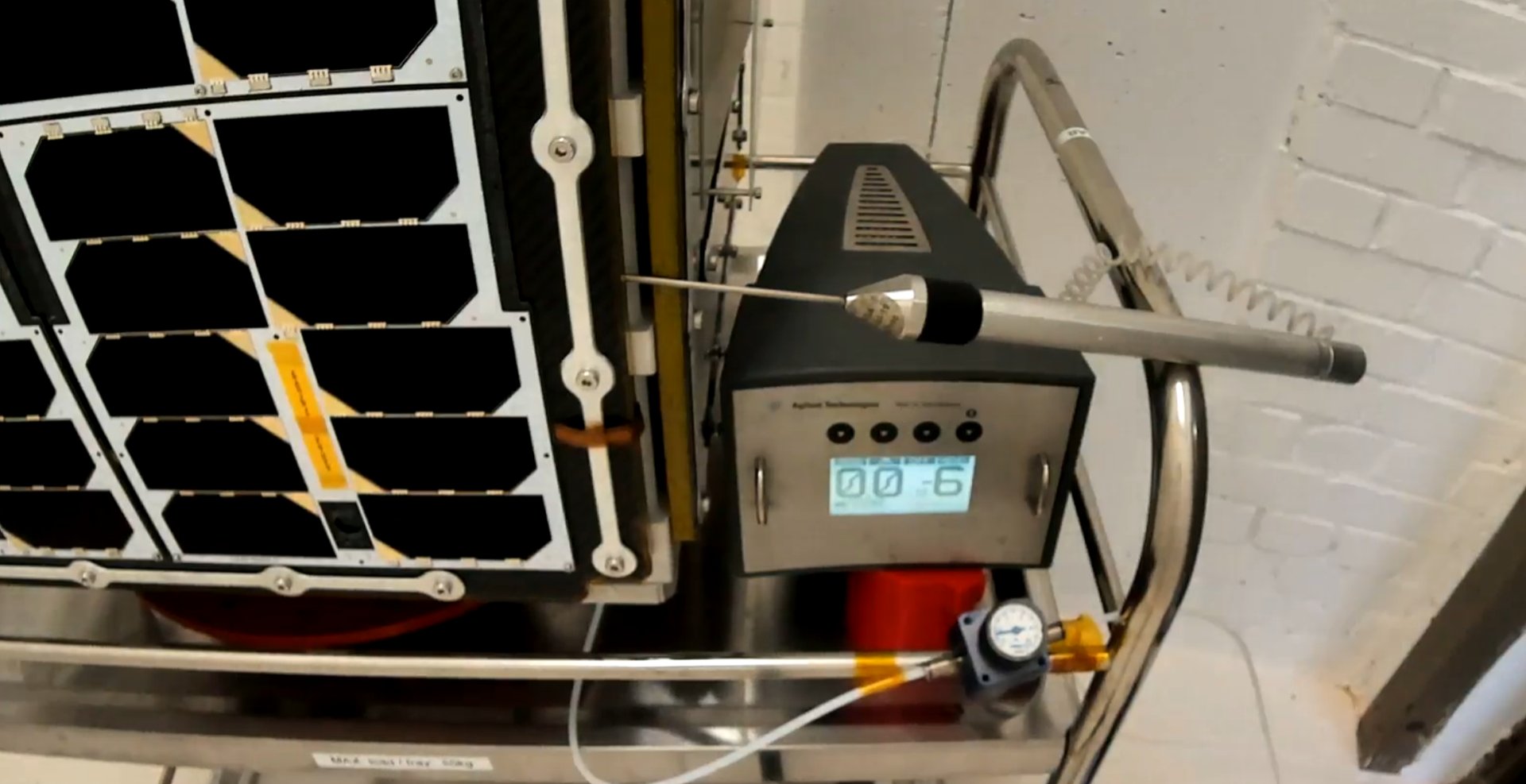
Following the kick-off the meeting, and whilst you are maturing your payload software with the Flat-Sat, we will assign one of our Satellite Engineers to configure your payload within the Satellite Platform, along with any additional platform subsystems deemed necessary to carry out your mission (e.g. additional batteries, higher throughput downlink, etc.).
Normally this is quite straightforward; we have designed our Satellite Platforms to be both highly standardised yet flexible to a wide range of payload potentials. But sometimes, unique interfacing or architectural changes and associated delta-analyses are required to accommodate a given mission. This will usually be flagged and accounted for prior to contract signature.
In parallel to finalising configuration of the Satellite our Satellite Engineer will, with any relevant people on your team, draft an assembly plan associated with payload integration to the satellite platform.
Spectrum & Launch License Management
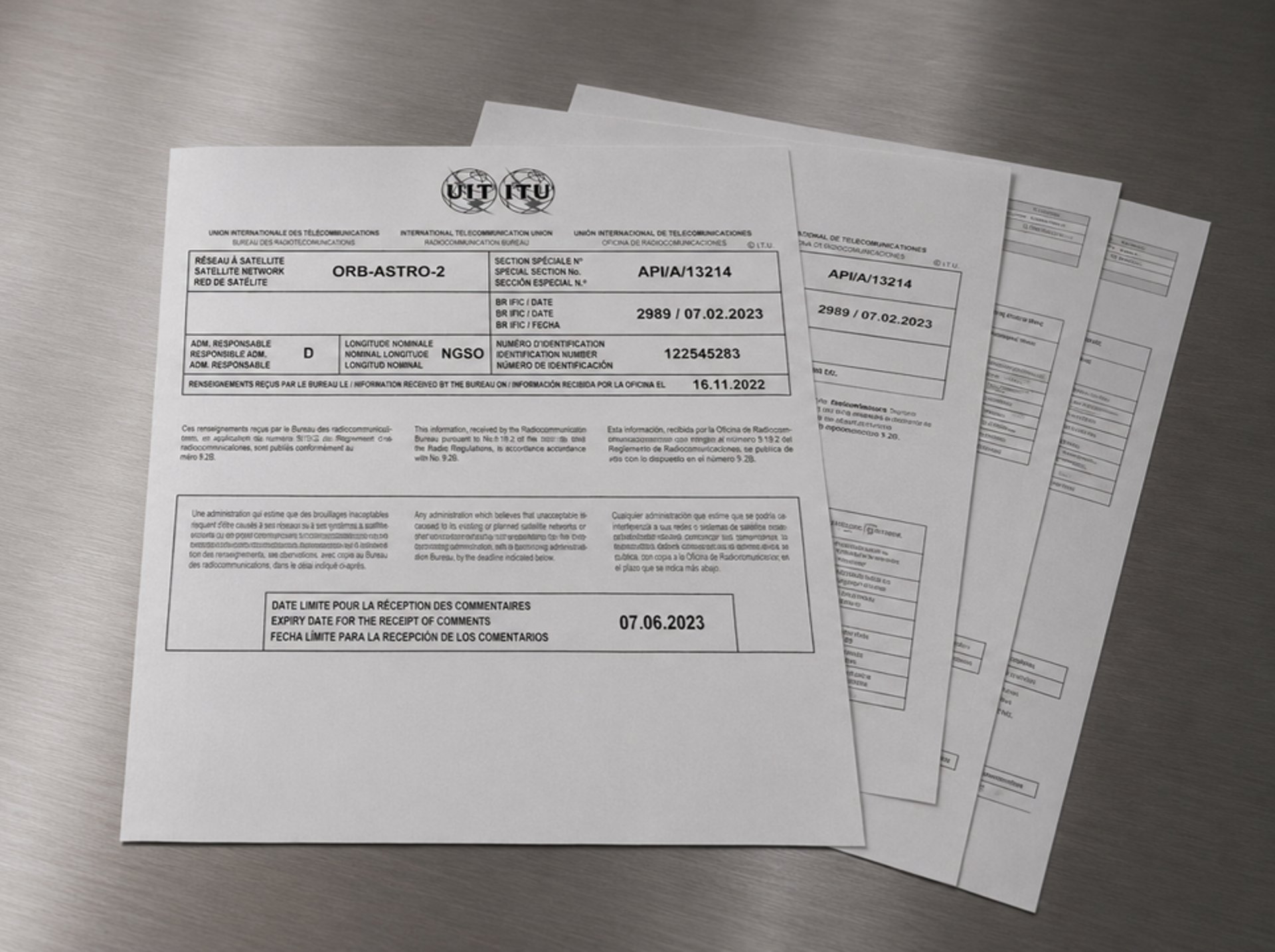
Getting authorisation to launch and operate a satellite can be a nightmare, something that can chew through much of your time that could be better spent elsewhere (like developing your IP or talking to your customers). We have well-established relationships with the associated authorities and agencies; all our Satellites come with the required paperwork¹ as standard (LEO operations: S-band for TT&C, and Ka-band for downlink and inter-satellite links).
If your payload requires additional authorisations, for example, if you are emitting unique RF signals or have pressure vessels that pose a risk to the launch vehicle, we can support you with jumping through the associated hoops; we will likely have done it all before.
¹ The baseline OrbAstro package includes the standard spectrum and licensing approach required for platform operations, including S-band TT&C, Ka-band downlink, and inter-satellite link capability where applicable. This baseline remains unchanged even where a mission does not require the full communications capability. Where your mission introduces additional or non-standard spectrum requirements (for example, operation of a customer X-band payload, unique RF emissions, or payload-specific licensing) we can support the associated authority engagement, filings, and coordination. The scope and cost of this support will be confirmed following an initial review of your mission requirements.
Satellite Build
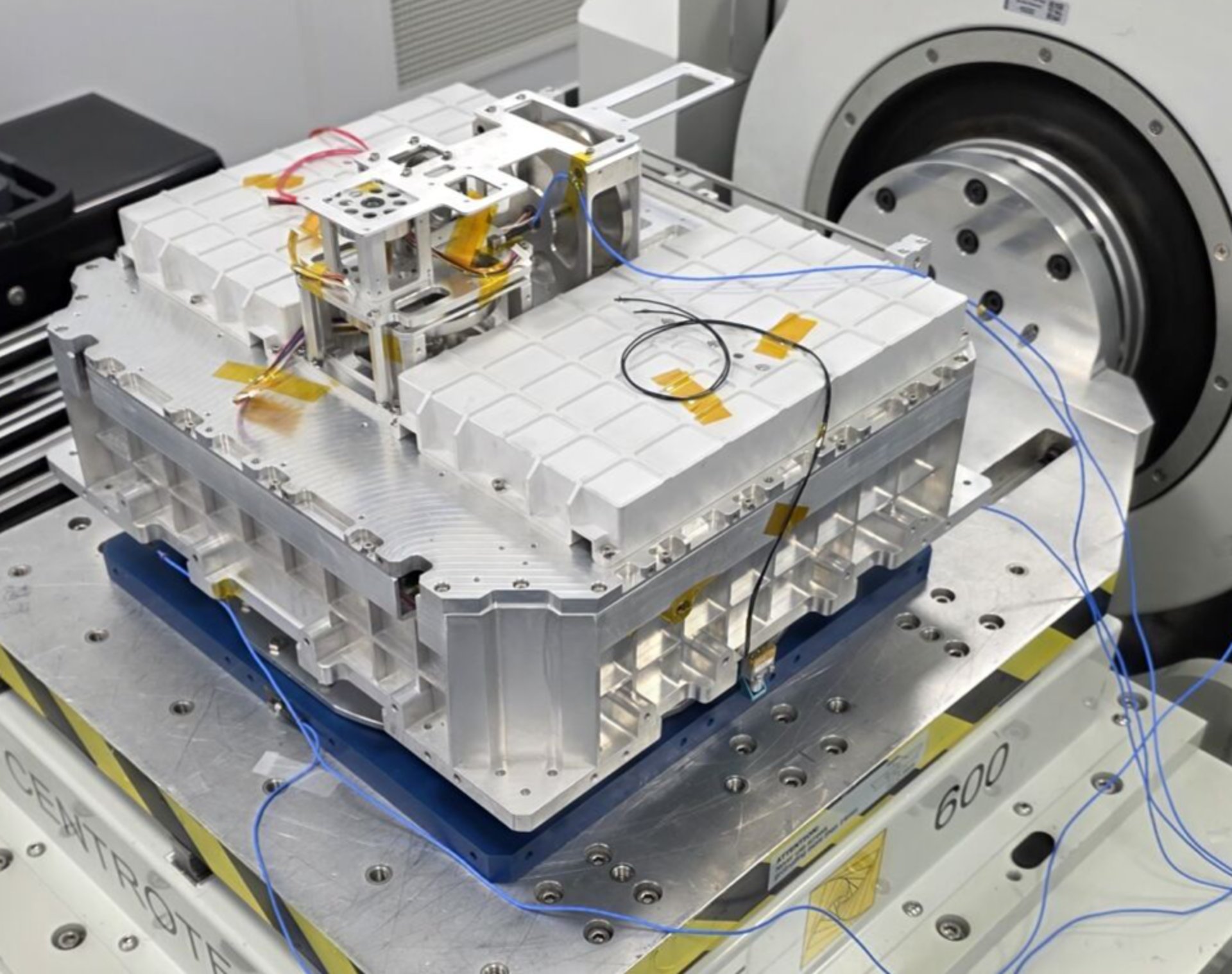
Once you are happy with the electrical interfacing between the Payload and Flat-Sat, once the mechanical configuration of the Payload within the Satellite Platform is frozen, once we are happy to freeze any additional Satellite Platform subsystem configurations, and once we have a draft assembly plan associated with the Payload-Platform integration agreed, together we will sign off on a Critical Design Review and will pull the trigger for Satellite Platform build.
We will keep your team informed on progress, with regular schedule updates, and with photos and videos provided at Key/Mandatory Inspection Points until we reach readiness for Payload integration. Depending on the final configuration of the Satellite, and any last-minute changes agreed immediately prior to the Critical Design Review, the lead-time for Satellite Platform could take anywhere between a couple of weeks and a couple of months.
Once your Payload and any associated support equipment or personnel arrive on-site, we will continue with Payload integration in our cleanrooms until the Satellite build is complete. At pre-agreed steps in the Payload integration process and upon conclusion of Satellite build, functional health-checks and calibrations of the Satellite Platform and Payload will be carried out as per the assembly plan.
Flight Acceptance Testing
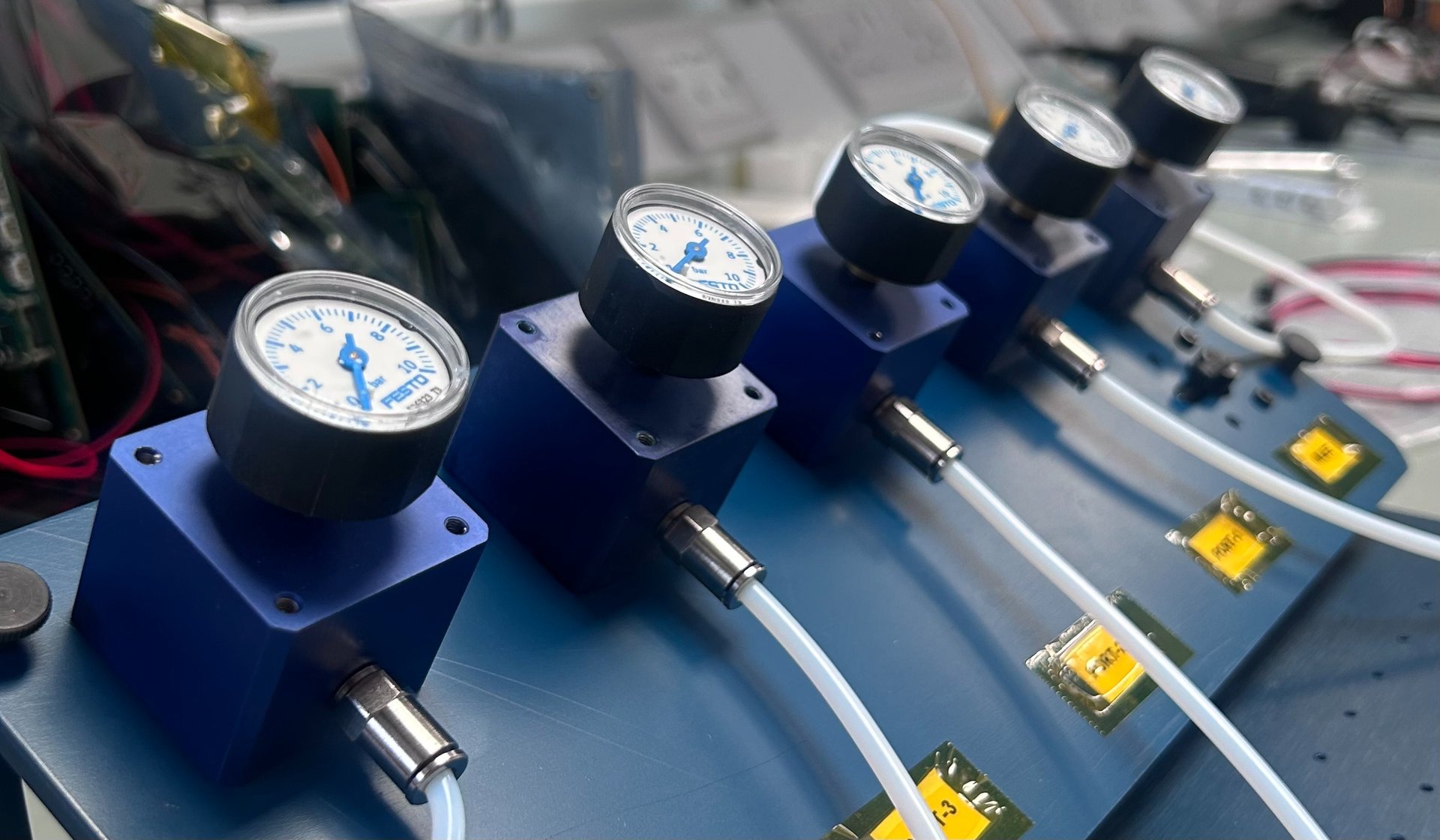
Flight Acceptance Testing will be managed by us, will be carried out on-site and, if required, at the UK National Satellite Test Facility which is located locally. The test campaign will be carried out in accordance with the requirements of the selected launch provider; this will be discussed during the Kick-Off Meeting, with the test plan frozen by the Critical Design Review.
Typically, Flight Acceptance Testing will include a range of vibration, TVAC, shock, leak, and/or EMC testing, with functional health-checks provided at relevant intervals and upon conclusion of testing. If you require any additional testing beyond the requirements of the launch provider, this will need to be agreed by the Critical Design Review and accounted for. Upon conclusion of Flight Acceptance Testing, a test report will be generated for approval at the Test Review Board.
Day-in-the-Life Testing
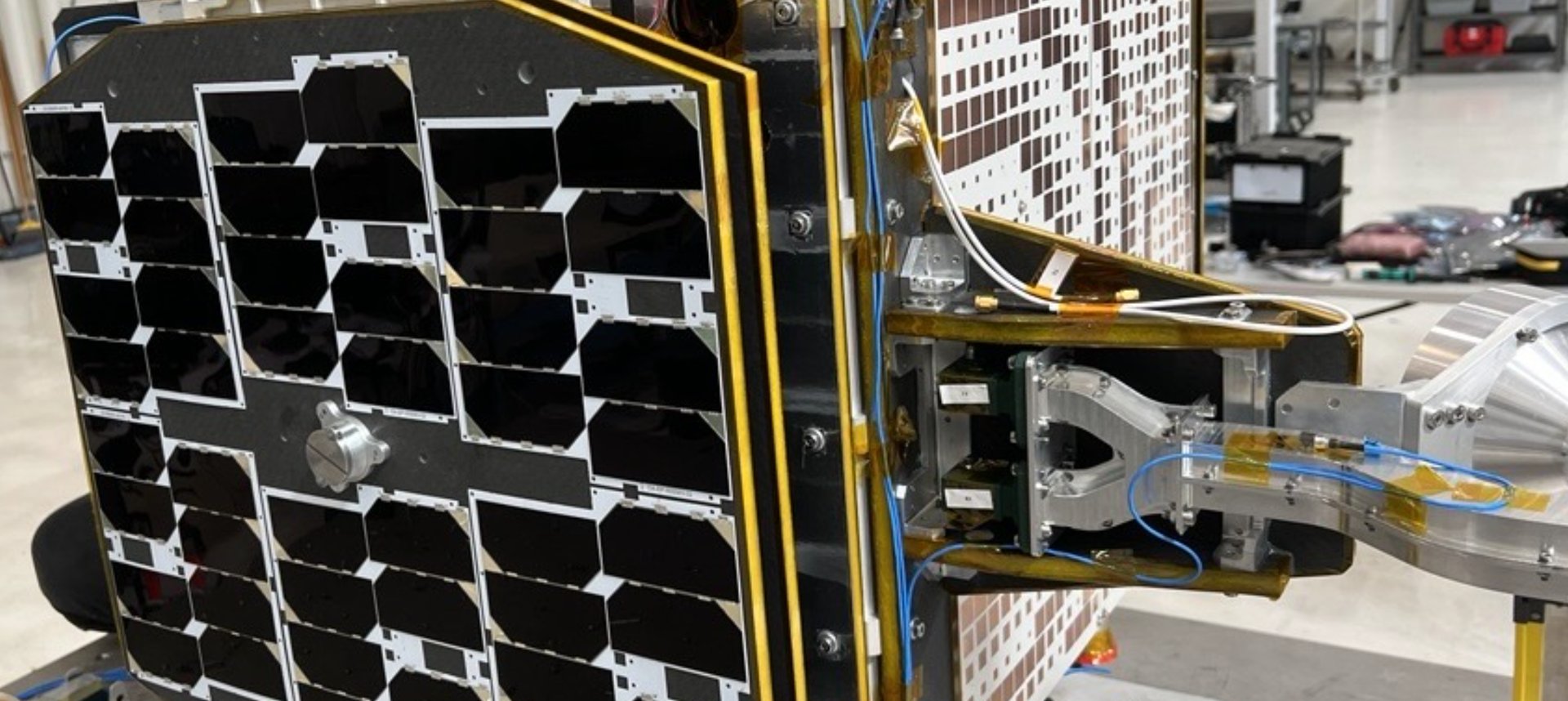
Following the successful completion of Flight Acceptance Testing, the satellite will be returned to one of our cleanrooms to undergo an extended phase of day-in-the-life testing, i.e. this time using the flight hardware rather than the Flat-Sat. This stage is designed to simulate real operational conditions in the lead-up to launch and to ensure full system readiness. The satellite will be mounted on a spin table within a Helmholtz coil, where it will execute a series of representative operations and commissioning activities that mirror those expected on launch day.
Throughout this period, key subsystems like the Attitude Determination and Control System (including its actuators and attitude sensors) will be continuously exercised and validated up until shipment. All telemetry generated during testing will be routed to the Mission Control System, enabling both our team and your team to monitor performance in real-time. Over a few days of day-in-the-life testing, we will typically collect around 90GB of telemetry and test data, giving us a comprehensive view of platform behaviour across nominal operations, off-nominal scenarios, and recovery procedures before shipment. You will also have the opportunity to uplink commands, verify command execution, and validate your ground support equipment within an operationally realistic framework.
In parallel, the satellite’s battery performance and overall platform health will be closely monitored over an extended duration to ensure stability and reliability. This phase also includes the execution of predefined operational scenarios, along with the triggering and validation of Fault Detection, Isolation, and Recovery protocols. These rehearsals are critical to confirming that both nominal and contingency procedures are well understood and can be executed effectively ahead of launch.
Launch
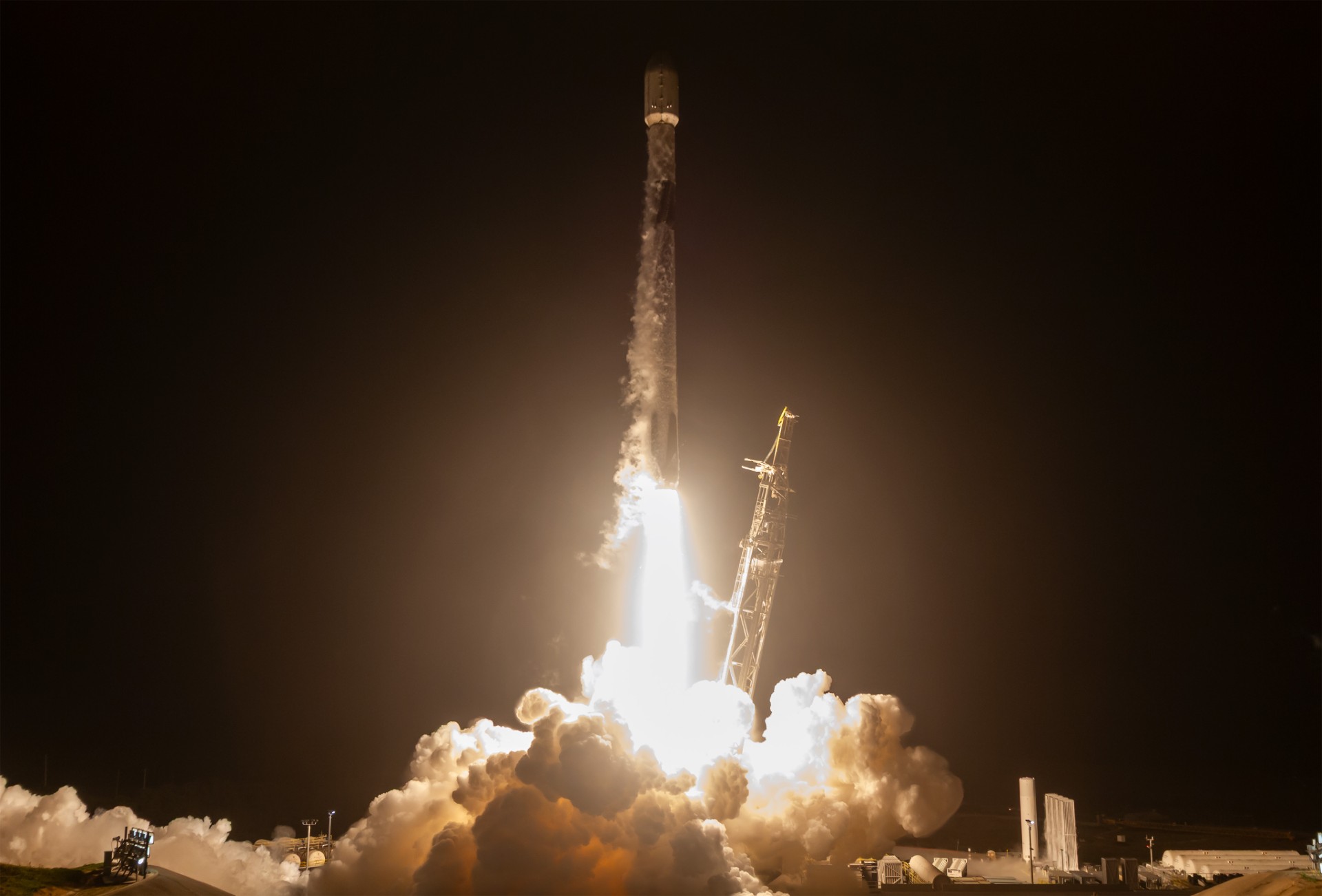
Launch will be managed by us through a contract with either a rideshare aggregator or directly with a launch provider, depending on the satellite and mission requirements. Our satellites are launcher-agnostic; designed to be widely compatible. We have relationships and contracts in place with many of the established providers and are likely to secure contract terms more favourable than any single customer could negotiate in isolation. The launch vehicle selected for the mission will be decided in discussions with you, and will largely be based on heritage, price, schedule, orbital constraints, and contractual terms. Depending on your wider programme schedule, this decision will likely be made shortly following project kick-off or by conclusion of Critical Design Review at the latest.
We can manage logistics associated with shipment of the satellite to the launch provider or rideshare aggregator, including export paperwork, provision of transport jigs, white-glove delivery, and terrestrial transportation insurance. Note, launch insurance is not provided by us, and will need to be acquired independently by you if desired; we can introduce you to relevant insurance providers.
Typically, we manage integration of the satellite to the dispenser and/or launch vehicle, though your involvement may be required depending on any specific needs associated with your payload(s), for example, if you have an independent propulsion system that requires fuelling at the launch site.
Following launch and successful dispensing of the satellite into the desired orbit, we will relay to you any documentation provided by the launch provider and/or rideshare aggregator.
Satellite Commissioning
In-orbit commissioning of the satellite occurs in two consecutive phases:
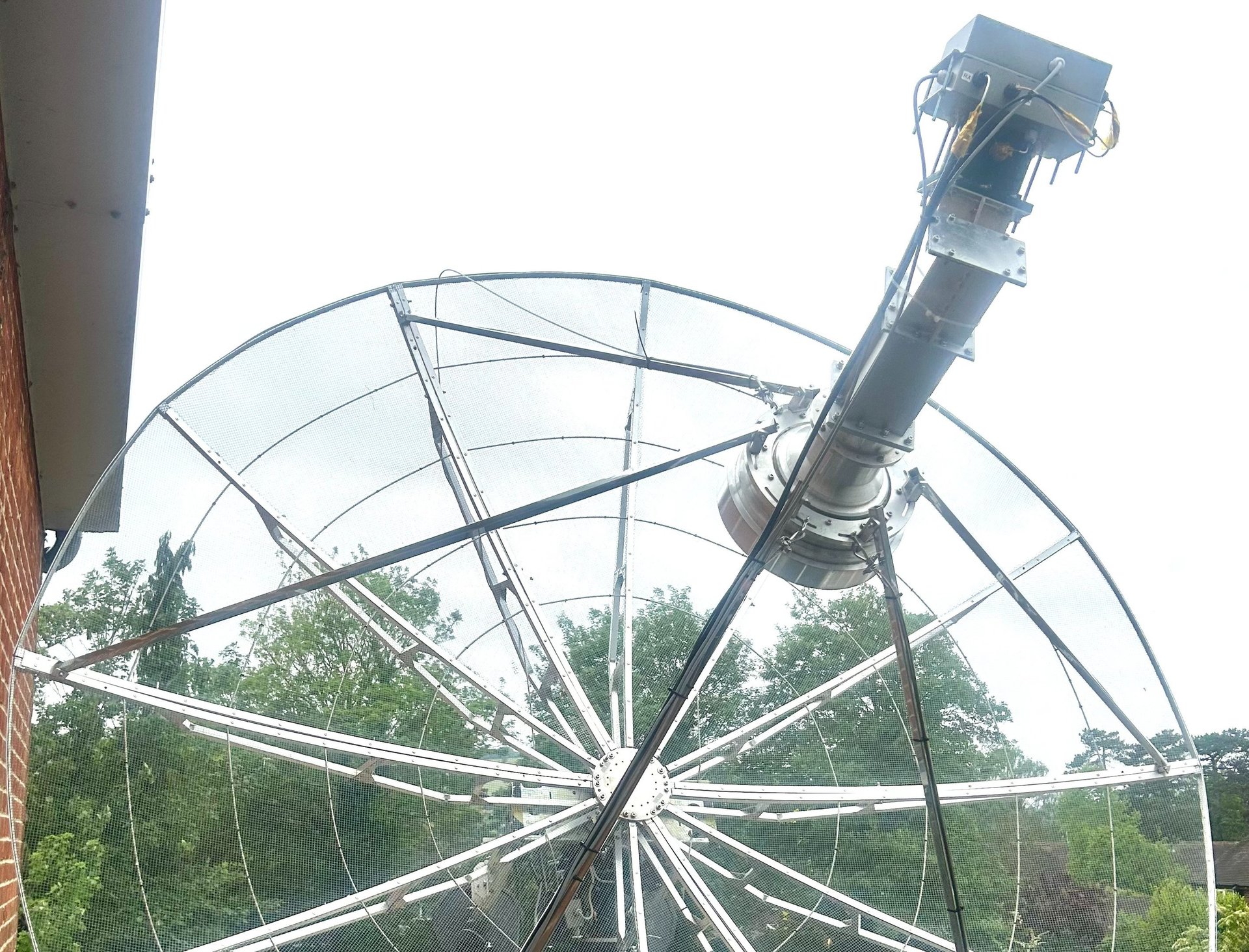
Commissioning of the satellite platform: Following power-up, a combination of automated and manual commissioning activities for the satellite platform will occur. Beyond subsystem health-checks, this will include successful satellite detumbling, deployment of all deployable systems, demonstration of uplink/downlink across all platform RF systems with all assigned ground stations, NADIR-tracking, Sun-tracking, and propulsion functional test firing. Typically, this will be concluded within a day.
Commissioning of your payload(s): This will occur as per the methodology agreed with you. One of our Mission Operations Engineers will be dedicated to supporting you through this process. Payload commissioning will likely have been practised, at least in part, through prior Flat-Sat testing and Day-in-the-Life testing and will typically take anywhere between a couple more days or weeks to conclude depending on the complexity of your commissioning programme.
In-Orbit Mission Control & Operations
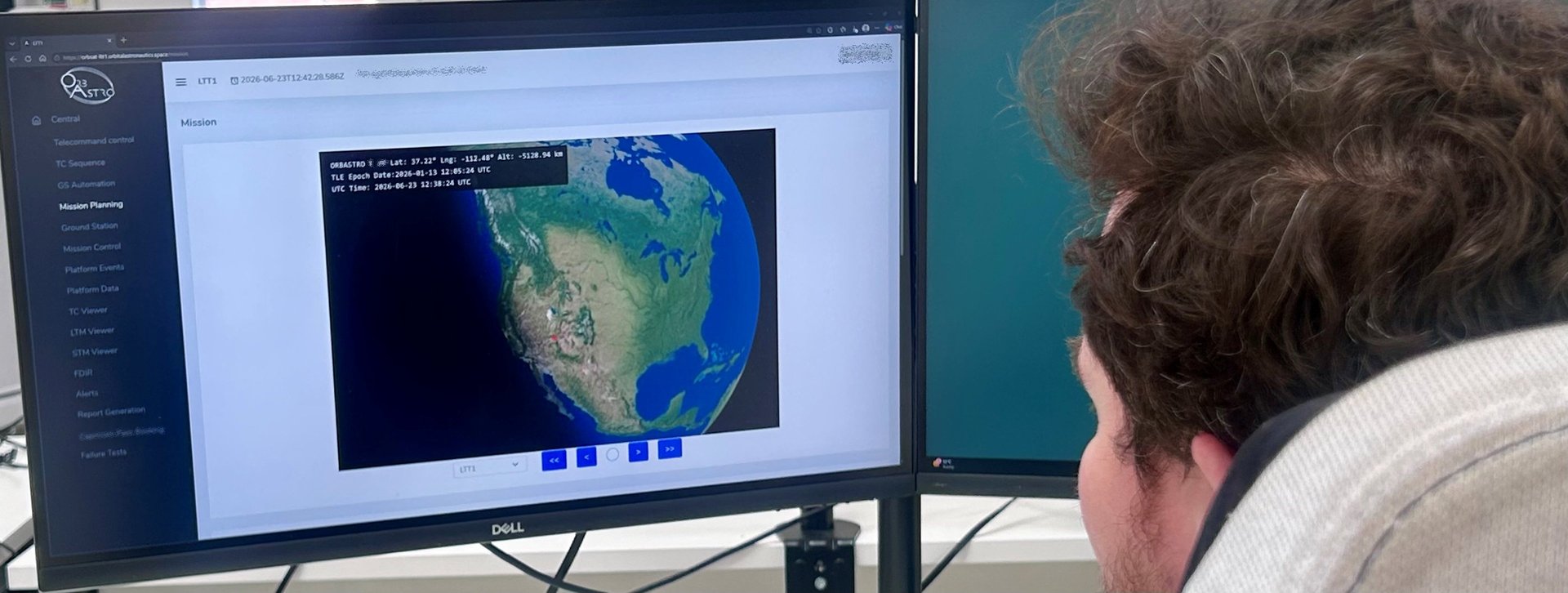
Once the satellite has been commissioned in orbit, it moves into a formal operational phase managed through OrbAstro’s Mission Control & Operations framework. This is not an informal support arrangement layered on after launch. It is a defined service covering mission-control software, operational support, telemetry monitoring, command interfaces, ground-segment access, anomaly-response support, space-traffic-management support, and decommissioning support. The baseline package remains in place from the start of in-orbit commissioning until decommissioning, graveyard transfer, permanent loss, valid termination, or an OrbAstro-approved handover of operational responsibility.
The exact operating model depends on how much you want OrbAstro to manage versus how much you want your own team to run directly:
In an OrbAstro-managed mission, you define mission objectives, priorities, and constraints; we handle planning, command support, telemetry review, health monitoring, downlink coordination, and routine reporting.
In a customer-led model, your team manages payload tasking and day-to-day mission intent, while we provide the platform operations environment, ground-link support, platform monitoring, and support for software updates, safe-mode recovery, propulsion activity, collision avoidance, and end-of-life planning.
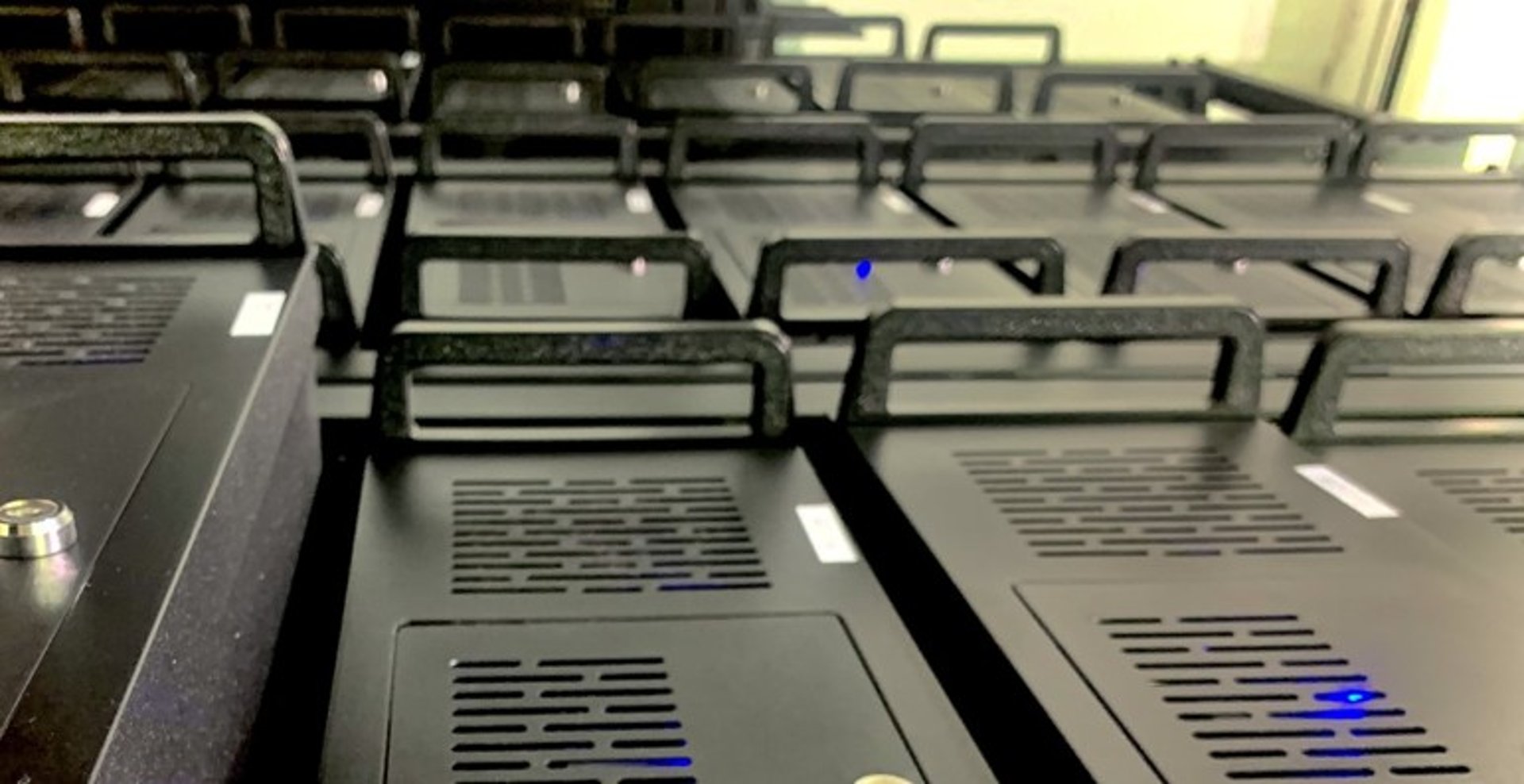
In either case, you are not expected to operate the satellite platform at the subsystem level. The platform software automatically manages pointing, power, communications, and attitude-control activities, while Abel, OrbAstro’s own AI operations engine running on the company's 97 petaFLOPs data centre, helps flag emerging anomalies, prioritise operator attention, and turn live telemetry into actionable mission insight.
Ground Links, Command & Customer Access
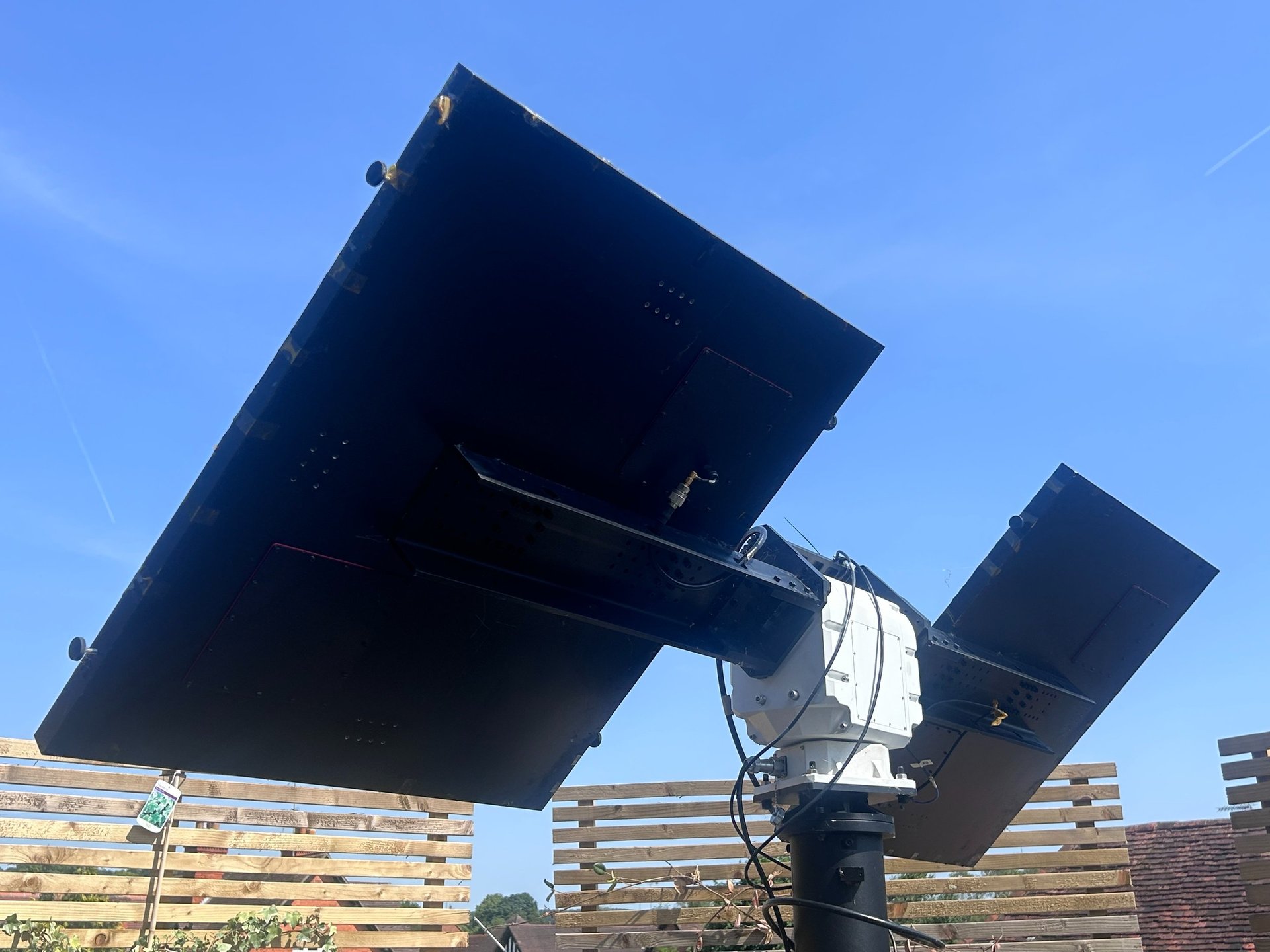
Mission operations only work if commanding and data return are handled in a disciplined, repeatable way. Routine mission activities are requested, scheduled, approved, and logged through the Mission Control Software or another agreed operational channel. This allows each activity to be checked against real operating constraints: contact opportunities, ground-station availability, orbital geometry, licence constraints, platform safety, mission priority, and technical feasibility. Abel supports this process by analysing RF link performance, contact quality, and operational history to help prioritise use of available ground-station windows. That keeps operations inside one coherent system rather than turning them into a patchwork of emails, spreadsheets, and wishful thinking.
What that means in practice:
You keep control of payload intent. Payload requirements, payload commanding logic, payload data use, and mission priorities remain with you.
We run the platform layer. OrbAstro provides platform operations, mission-control access, ground-link services, and technical support.
Third-party ground stations can be used where needed. They remain subject to OrbAstro approval, technical and regulatory compatibility, security review, and applicable setup/support fees. OrbAstro is not responsible for outages or failures outside our reasonable control.
No service level should be read as a guarantee of continuous TT&C, real-time access, payload performance, or uninterrupted spacecraft access. It is a managed operating framework, not a promise that orbit will behave like a local network.
Anomaly Response & Mission Operations Report
No serious operator assumes orbit will remain perfectly well behaved for the life of the mission.
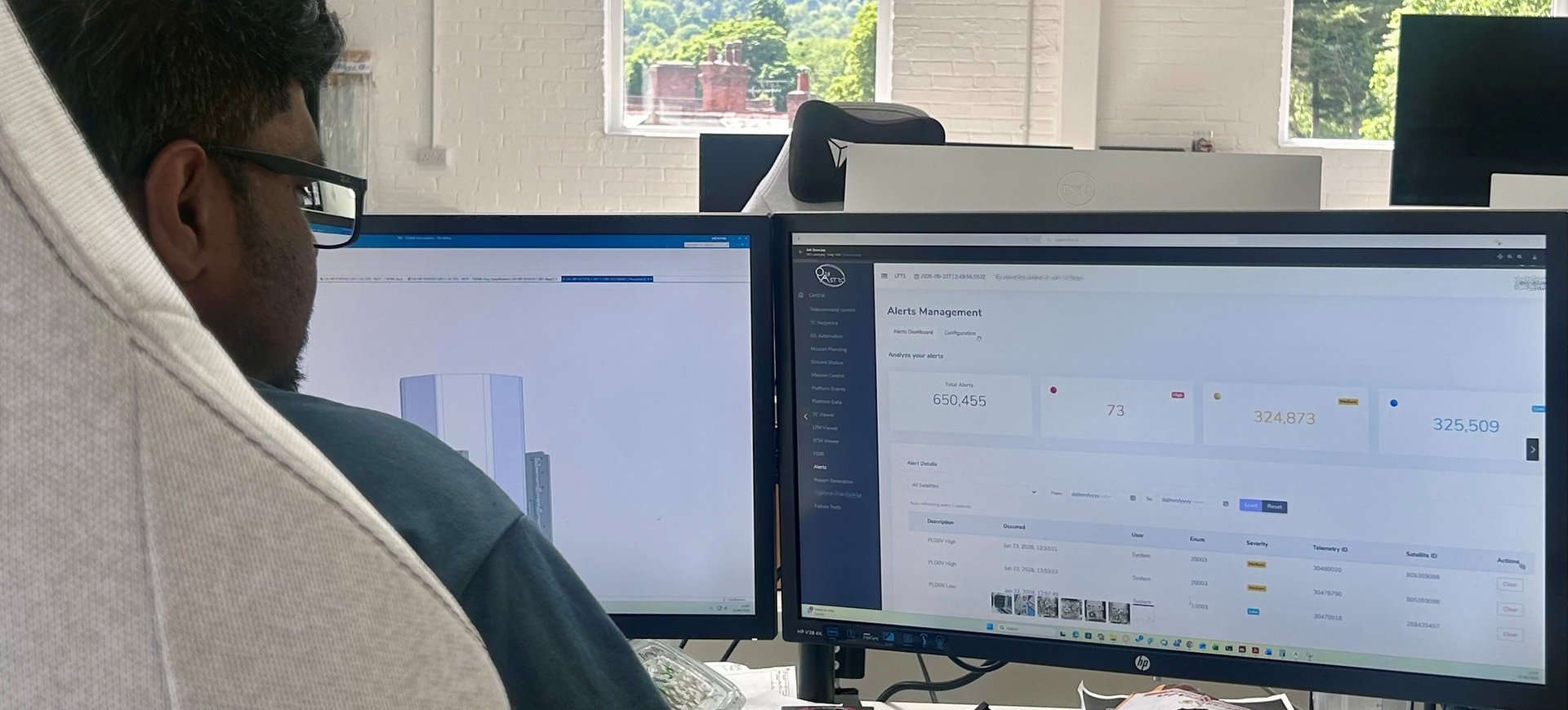
What matters is that anomaly handling is structured, rehearsed, and run through a clear operational framework. OrbAstro provides anomaly-response support as part of the Mission Control & Operations service, covering everything from routine support requests through to more serious cases such as safe mode, suspected loss of contact, cyber-security concerns, conjunction risk, or regulatory issues.
We cannot guarantee recovery, payload performance, continuous access, or mission success. What we provide is a managed operational framework: monitoring, escalation, investigation, recovery support, active reporting, and clear decision points when the mission needs intervention. Abel supports this framework by analysing telemetry trends, subsystem behaviour, RF link performance, and operational history to identify early warning signs before they become mission-impacting.
Throughout the mission, OrbAstro also provides Mission Operations Reports while we remain responsible for operations. These reports summarise satellite health, mission status, operational activity, anomalies, recovery actions, remaining life forecast, disposal confidence, and our recommendations on whether to continue operations, prepare for retirement, or begin decommissioning.
That gives the customer more than incident support. It gives them an ongoing, AI-supported operational picture of the mission as it evolves, and a clearer basis for technical, commercial, and regulatory decisions as the spacecraft ages.
Space Traffic Management & Protective Authority
Space traffic management is part of the mission from day one. It is not an optional add-on, and it is not something we expect customers to absorb as a side duty.
Under OrbAstro-managed operations, we monitor the orbital environment, review conjunction data, assess potential collision risk, coordinate where appropriate, and manage collision-avoidance manoeuvres where the probability threshold is exceeded or where other agreed operational rules apply. Where time allows, we coordinate with you before acting. Where delay could materially increase risk, we may need to act first.
The contract is also clear that OrbAstro retains final operational authority over key safety and compliance decisions. That includes:
Satellite platform safety and command access.
Safe-mode response and anomaly protection.
Conjunction and collision-avoidance manoeuvres.
Decommissioning and graveyard transfer.
Compliance with applicable licence, spectrum, space-safety, and orbital-debris requirements.
We may reject, delay, amend, or require validation of any activity we reasonably consider unsafe, unlawful, technically incompatible, outside agreed mission constraints, or likely to create regulatory, interference, debris, collision, cyber-security, or third-party risk. That is not about taking control away from the customer. It is about ensuring someone always has clear authority to protect the mission when the clock is running.
Constellation Expansion / Follow-On Satellites
For many of our customers, the first satellite is not the destination. It is the first proof-point on the road to a fleet.
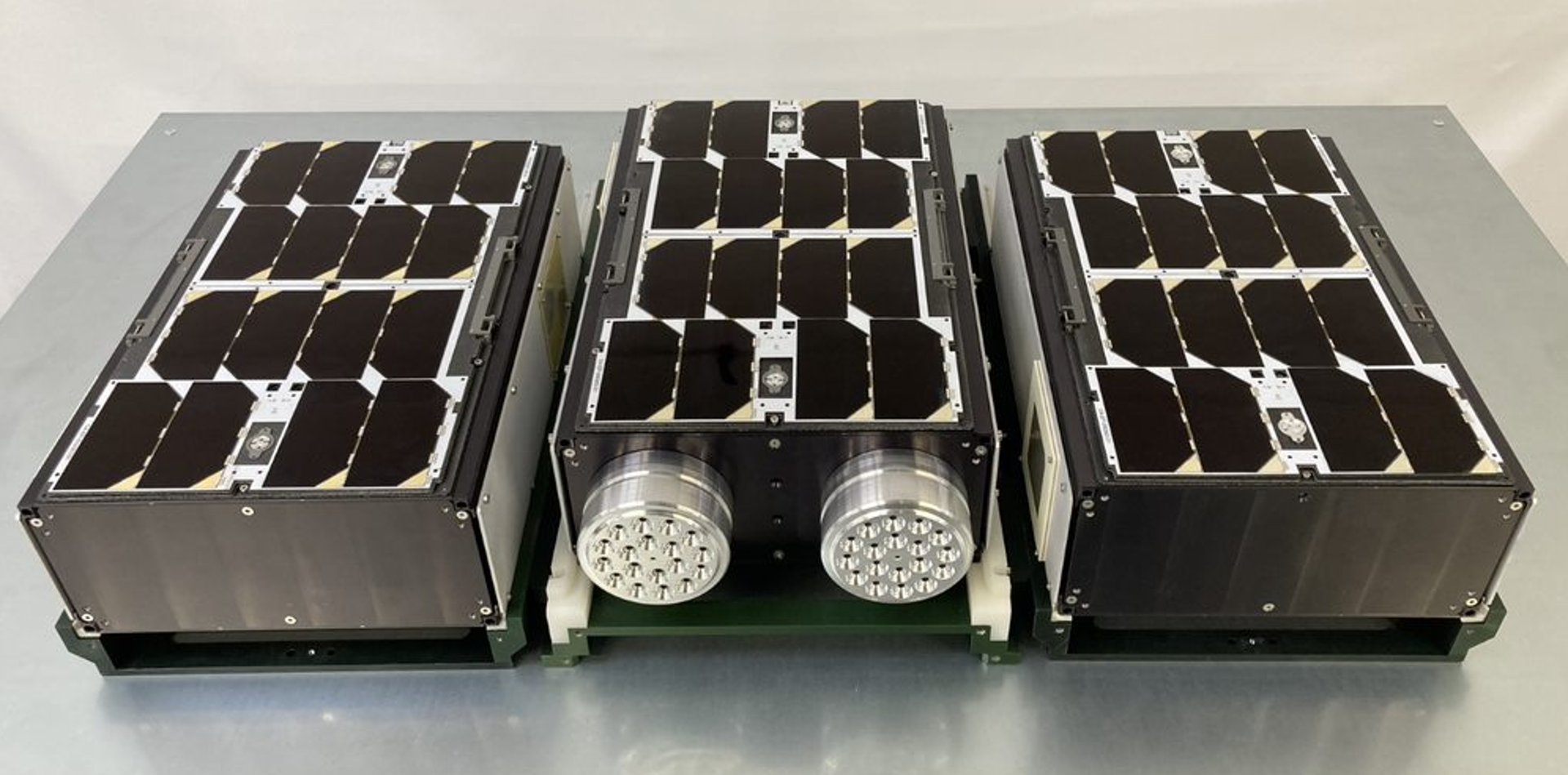
OrbAstro’s customer journey is built with that in mind from the start. The platforms are constellation-grade baselines. The mission-control environment is designed for repeatable operations. The wider operating model uses consistent telemetry, commanding patterns, automated commissioning hooks, and repeatable playbooks that reduce downtime and speed reconfiguration as you scale. That matters because a successful pilot mission should not force a reset.
You should not have to re-platform the spacecraft, rework the operating model, or rebuild the process from scratch just because the mission has proved itself and now needs to scale. Mission one should already be laying the road for missions two through twenty.
The contract also includes a formal route for securing follow-on capacity in advance. Through satellite options, customers can reserve future build capacity, protect themselves against queue risk and future price movement, and preserve flexibility over launch timing and platform selection when the next missions are exercised.
The point is simple. A pilot mission should not be a bridge to nowhere. It should be a clean step toward fleet deployment.
Satellite Decommissioning
Satellite decommissioning is managed by OrbAstro as part of Mission Control & Operations. We do not treat end-of-life as an awkward epilogue to be improvised once the useful work is done.
Throughout the mission, we assess satellite health, remaining propellant, orbital environment, regulatory obligations, disposal confidence, and your wider mission objectives. Based on that picture, we may recommend either: continued operations, retirement preparation, or decommissioning. The formal decision point is reached when mission value no longer justifies continued operation, disposal confidence falls below an agreed or operationally acceptable threshold, or regulatory, safety, orbital-debris, licence, or end-of-life requirements require disposal activity.
Where technically feasible, decommissioning uses onboard propellant to lower the satellite for atmospheric re-entry or, where applicable, raise it into a compliant graveyard orbit. Where configured and agreed in advance, autonomous onboard disposal logic may also act as a safeguard following prolonged loss of contact or other defined end-of-life conditions. The purpose is straightforward: complete the mission in a controlled, compliant way, protect your licence position, and keep future missions easier to authorise as requirements tighten over time.
Discuss your mission
HQ ADDRESS
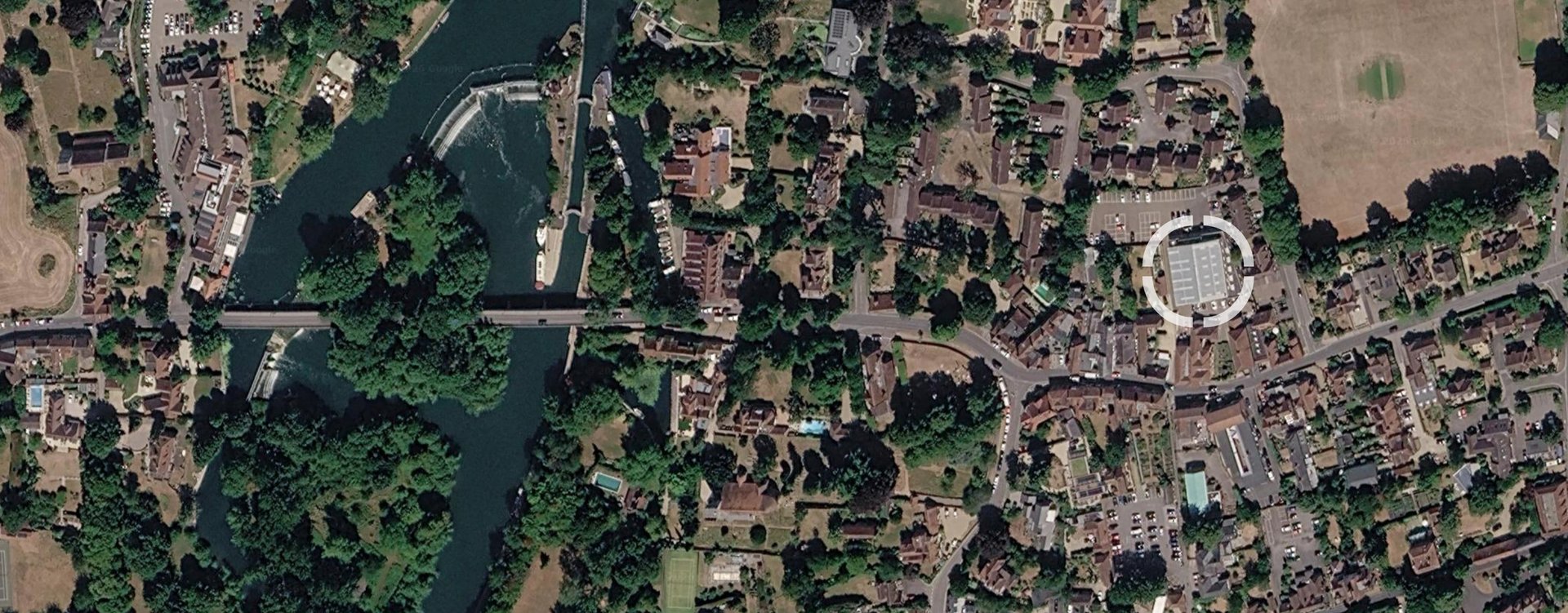
Thames Court, Goring, Oxfordshire, RG8 9AQ, United Kingdom
CONTACT US
hello@orbastro.com